
News

News

Apoorva Gomber Delivers Impassioned Plea at United Nations Hearing

Dr. Apoorva Gomber presented a statement from the NCDI Poverty Network at the United Nations headquarters during the Multi-Stakeholder Hearing on Universal Health Coverage.

“Where a child lives should not determine whether a child lives,” declared Dr. Apoorva Gomber, associate advocacy director for the NCDI Poverty Network. “And yet children with type 1 diabetes in rural areas of sub-Saharan Africa often die within a year of diagnosis. This reality is morally unconscionable.”

Dr. Gomber delivered those statements at the Multi-Stakeholder Hearing on Universal Health Coverage, held on May 9 in the United Nations Headquarters in New York City. Selected organizations were allowed to deliver two-minute testimonies during an afternoon session; Dr. Gomber represented the NCDI Poverty Network in her testimony.

A physician trained in global health centered around type 1 diabetes, health equity, and disease epidemiology, Dr. Gomber also serves as associate advocacy director for the network’s Boston co-secretariat, the Center for Integration Science in Global Health Equity at Brigham and Women’s Hospital. As a long-time advocate for the treatment of type 1 diabetes, Dr. Gomber also works toward overcoming both health inequities in diabetes care globally and the stigmatization of people with diabetes.

“It’s past time that we form a global movement to better serve people doubly afflicted by NCDs and extreme poverty,” Dr. Gomber said, in concluding her United Nations testimony. “The international community can make the fight against disease more equitable and just through leadership, policies, and funding that prioritize NCDs within universal health coverage.”

Dr. Apoorva Gomber (left), associate advocacy director for the NCDI Poverty Network, attended the Multi-Stakeholder Hearing on Universal Health Coverage along with Katie Player, the Network’s membership and engagement manager.

NCDI Poverty Network Co-Chairs Receive World Heart Federation Award in Geneva

Drs. Gene Bukhman and Ana Mocumbi discuss global health equity during a fireside chat with journalist Arianne Alcorta (left) at the World Heart Summit in Geneva.

The World Heart Federation has presented its Outstanding Contribution to Cardiovascular Health Award to Drs. Gene Bukhman and Ana Mocumbi, co-chairs of the NCDI Poverty Network. The presentation took place in May at the World Heart Awards ceremony in Geneva.

The two cardiologists were celebrated in part for their work as co-chairs of the groundbreaking Lancet Commission on Reframing NCDs and Injuries for the Poorest Billion. The commission launched in 2016 to address the crushing burden of noncommunicable diseases (NCDs) and injuries on the world’s poorest people.

In addition to its many findings, the commission highlighted the need for expanded financing and technical partnerships to address this burden. The commission also catalyzed the formation of the NCDI Poverty Network, which aims to prevent and reduce the death and suffering of those doubly afflicted by NCDs and extreme poverty. Drs. Bukhman and Mocumbi now co-chair the network.

Dr. Bukhman, who directs the Center for Integration Science in Global Health Equity at Brigham and Women’s Hospital, is an anthropologist as well as a cardiologist. He also serves as director of the Program on Global Noncommunicable Disease and Social Change at Harvard Medical School, where he is an associate professor of medicine and an associate professor of global health and social medicine. He is also the senior health and policy advisor on NCDs at Partners In Health. Between 2010 and 2015, he served as senior technical advisor on NCDs to the Rwanda Ministry of Health.

Over the past 15 years, Dr. Bukhman has argued that for those living in extreme poverty, NCDs are best understood as part of the “long tail” of global health equity, one that demands a new science of integration. He has translated this critique into practical health delivery strategies now being implemented in more than a dozen countries. He has authored more than a hundred peer-reviewed publications and book chapters that apply a range of methodologies — from ethnography and archival research to epidemiology and mathematical modeling — to identify solutions for people living in poverty with severe NCDs.

“It’s an honor to be recognized for carrying on in the tradition of African cardiologists focused on diseases of poverty,” Dr. Bukhman said. “We’re optimistic that by working together with the type 1 diabetes and sickle cell disease communities, we can finally make significant progress on these neglected conditions.”

Dr. Bukhman’s fellow awardee, Dr. Mocumbi, is both an associate professor of cardiology at Universidade Eduardo Mondlane in Maputo, Mozambique, and an affiliated professor in the Department of Global Health at the University of Washington in Seattle. Based in Mozambique, she also leads the Non-Communicable Diseases Division at the National Public Health Institute Mozambique (Instituto Nacional de Saúde).

Although Dr. Mocumbi’s research interests are broad, spanning from education to health management to clinical research, her particular focus is on neglected cardiovascular diseases, including cardiomyopathies and heart failure in children; women’s cardiovascular health; and the use of point-of-care technologies for improving access to health care in low-income settings.
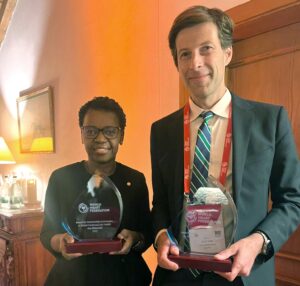
Drs. Ana Mocumbi and Gene Bukhman each received a custom-engraved crystal plaque for their Outstanding Contribution to Cardiovascular Health Award.

Dr. Mocumbi serves as co-chair of the Taskforce for Access to Reproductive Health Services for Women with Cardiovascular Disease of the Pan African Society of Cardiology, as well as co-chair of the World Heart Federation’s Working Group on Rheumatic Heart Disease Prevention and Control.

“Merci à tous! Thank you!” Dr. Mocumbi said to a group of NCDI Poverty Network members upon being congratulated on the honor. “But this award belongs to all of us. Without you this would not be possible.”

The World Heart Awards celebrate individuals and organizations who have gone above and beyond in their mission to fight cardiovascular disease and promote healthy hearts.

World Health Organization Recognizes Center for Its Leadership in Integration Science

The Center for Integration Science in Global Health Equity has been named a WHO Collaborating Centre in recognition of its work in designing integrated care delivery systems for people living with severe noncommunicable diseases in extreme poverty.


Center for Integration Science in Global Health Equity faculty and staff gathered at Harvard Medical School in July 2022. Dr. Gene Bukhman is center front. Photo by Stu Rosner.

Childhood heart diseases, type 1 diabetes, and sickle cell disease customarily fall into disparate clinical specialties. Even so, those conditions share certain disheartening characteristics: They’re all severe, chronic noncommunicable diseases that cannot be prevented. Their treatment protocols are complex. And, when left untreated, they kill the world’s poorest children and young adults at devastating rates.

Fortunately, these diseases also share a clinical cadence, and it’s in that pattern of services that the field of integration science can offer a solution. In this instance, the Center for Integration Science in Global Health Equity at Brigham and Women’s Hospital has been working with an international network to integrate expertise and resources across these diseases to save young lives in rural sub-Saharan Africa and South Asia, where 90 percent of the world’s poorest people live.

For its leadership work in integration science, the Center for Integration Science was recently named the WHO Collaborating Centre on Integration Science and Service Delivery. With this designation from both the World Health Organization and the Pan American Health Organization, the center joins a global network of organizations supporting WHO initiatives.

“We’re honored that both the World Health Organization and the Pan American Health Organization are recognizing our work,” said Gene Bukhman, MD, PhD, executive director of the Center for Integration Science. “We also appreciate the value they’re placing on integration science, a relatively new field that has tremendous potential for delivering care to the people who need it most, which is an essential ingredient in achieving global health equity.”

In many low- and lower-middle income countries, care services for severe, chronic noncommunicable diseases are available only at referral hospitals in major cities, making treatment both inaccessible and unaffordable for the rural poor. As a result, many children and young adults die prematurely — and preventably. The model the Center for Integration Science principally uses, PEN-Plus, addresses this gap by bringing lifesaving care to first-level rural hospitals.

In aiming for an optimal configuration of health care resources, PEN-Plus trains mid-level providers such as nurses and clinical officers to provide crucial services across these diseases. Last summer, all 47 member states of the WHO Regional Office for Africa adopted PEN-Plus as their official strategy for providing care for people with severe noncommunicable diseases.

As part of its WHO Collaborating Centre mandate, the Center for Integration Science will provide technical support to WHO’s work in characterizing and classifying existing models of integrated care for noncommunicable diseases, collaborate with WHO in the integrated care of these diseases in selected countries, and share best practices and lessons learned in the implementation of integrated care of these diseases. The WHO Collaborating Centre designation is slated to continue through April 2027.

The Center for Integration Science is a joint initiative of Brigham and Women’s Hospital, Harvard Medical School, and Partners In Health. In addition to pursuing an ambitious research agenda, the center serves as the Boston co-secretariat of the NCDI Poverty Network, a global partnership that seeks to bridge the gap in universal health coverage for the world’s poorest billion.

The only other current Harvard-affiliated WHO Collaborating Centre — the Program in Global Surgery and Social Change — is also based at both Harvard Medical School and Brigham and Women’s Hospital. Past Harvard-affiliated WHO Collaborating Centres include three at the Harvard T.H. Chan School of Public Health (one on the biostatistical evaluation of cancers from  1981 to 1994, one on health legislation from 1987 to 2004, and one on nutritional epidemiology and advanced training in public health nutrition from 1993 to 1999); one at Brigham and Women’s Hospital (on surveillance of antimicrobial resistance from 1985 to 2021); and one at Harvard Medical School (on research and training in mental health from 1987 to 1994).

Defining and Integrating Essential NCD Interventions in National Health Systems: Requesting Letters of Intent for a Time-Driven Activity-Based Costing Study

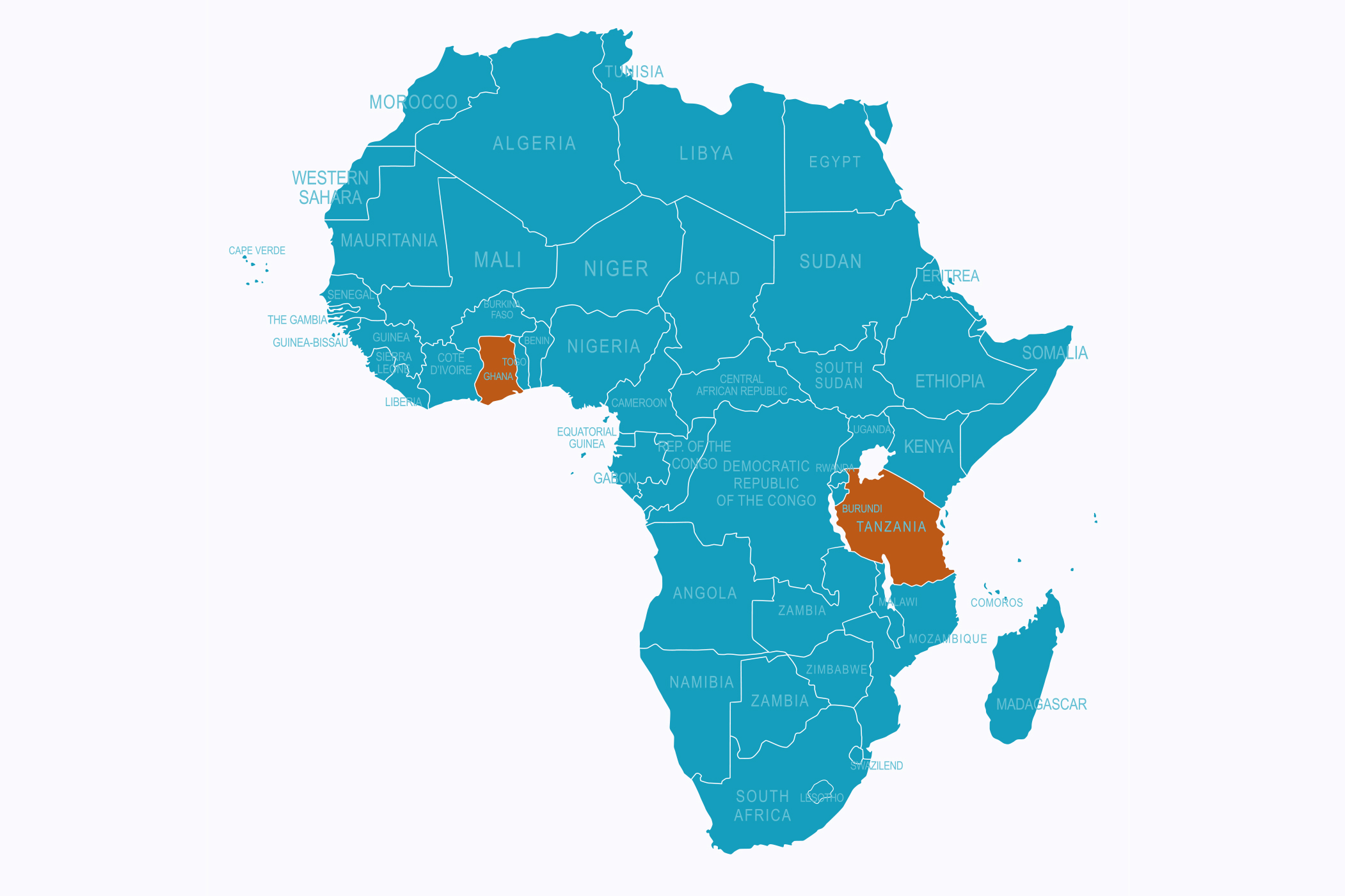
Map of Africa with Ghana and Tanzania highlighted

Request for Letters of Interest from Ghana and Tanzania

Background: The Center for Integration Science in Global Health Equity (CIS) is seeking a leading health systems research institution to execute a study entitled “Defining and integrating essential NCD interventions in national health systems.” This study is being conducted in partnership with the University of Bergen and will build upon efforts to define national priorities for noncommunicable disease (NCD) care.

Objective: CIS is seeking in-country research partners in Ghana and Tanzania to develop study tools, conduct data collection at approximately 25 facilities, analyze data, and formulate recommendations. Selected partners will lead an 18-month study project for the development and implementation of facility-based time-driven activity-based costing (TDABC) data collection and develop recommendations on expansion of existing NCD services.

Scope of Work

1. Study Preparation: The in-country research partner will be responsible to recruit and train staff, adapt the study protocol, develop survey instruments, and obtain all relevant national and institutional approvals in coordination with national stakeholders and CIS. Data will be structured to serve as an input to the FairChoices decision support tool. Expected activities and an indicative timeline are below:

2. Data Collection: The in-country research partner will oversee all aspects of data collection and ensure data quality. Expected activities and an indicative timeline are below:

3. Analysis and Recommendations: The selected partner will be responsible for the timely delivery of a final cleaned dataset in a pre-determined statistical format and package (e.g., R/Stata). Collaboratively with CIS, the selected research partners will develop a final report with recommendations on the integrated delivery of the services, including opportunities for co-delivery of services for more efficient and effective care. It is also expected that research partners will lead in the development of a manuscript on the survey for peer review. Finally, the research partner is expected to contribute to a broader manuscript (led by CIS) that brings together experience in designing integrated delivery models across four countries: Ethiopia, Ghana, Nepal and Tanzania.

Timeline: 18 months to begin October 2023

Total Budget: 160,000 USD

How to Apply: Please send an email with the subject title “Costing in Ghana: LOI” or “Costing in Tanzania: LOI” to vmbhambhani@bwh.harvard.edu by 16 June 2023. Please provide a brief Letter of Interest (maximum 2 pages) that includes:

  • An overview of your team and organizational structure, including principal investigator (PI);

  • Details related to relevant research and implementation experience, particularly in health facility-based data collection and data collection related to healthcare financing and cost analysis; and

  • An overview of ongoing and past partnerships that may be relevant to this work Selected applicants will be invited to submit a full proposal that details their project plan, a line-item budget and budget justification.

Directed by Dr. Gene Bukhman, the Center for Integration Science in Global Health Equity focuses on developing, implementing, and evaluating integrated care delivery models to address severe conditions such as type 1 diabetes, sickle cell, and rheumatic heart disease in highly constrained health systems. The Center for Integration Science is a center within the Division of Global Health Equity in the Department of Medicine at Brigham and Women’s Hospital and is a collaboration with the Department of Global Health and Social Medicine at Harvard Medical School and Partners In Health (PIH). The center also serves as the Boston co-secretariat for the NCDI Poverty Network (www.ncdipoverty.org).

Download the LOI Request here.


High-Level Advisory Group Visit to Mozambique Highlights Need for PEN-Plus Clinics

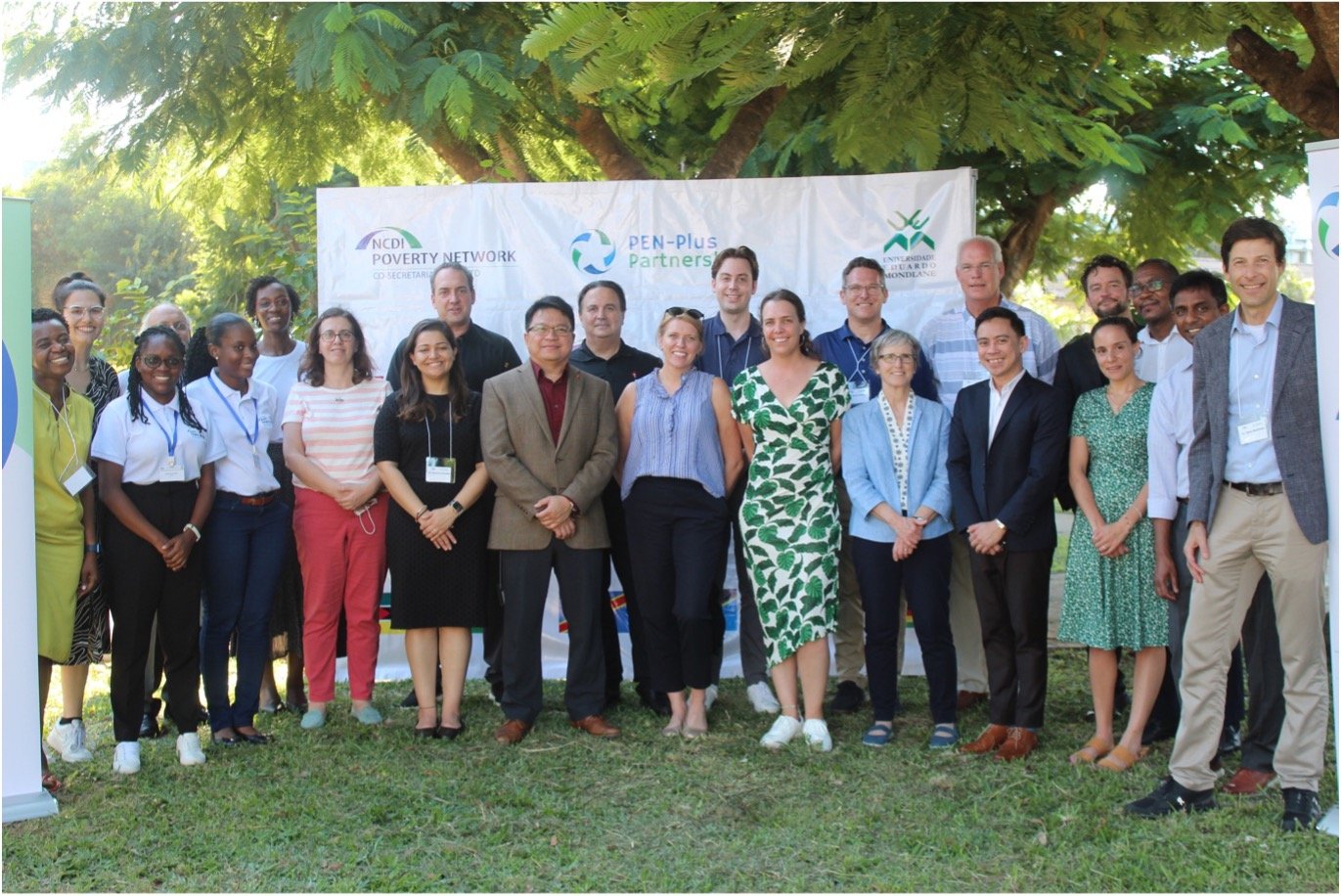
Members of the High-Level Advisory Group of the PEN-Plus Partnership gather at Universidade Eduardo Mondlane, which serves as the NCDI Poverty Network’s Maputo co-secretariat.


The stark realities of living with severe noncommunicable diseases in extreme poverty became clear to members of the High-Level Advisory Group of the PEN-Plus Partnership when they convened in Mozambique in March to discuss strategies for supporting initiation and scale-up of PEN-Plus in resource-poor countries.

PEN-Plus is an integrated care model that provides diagnosis and treatment for severe NCDs in rural areas of low- and lower-middle-income countries, where more than 90 percent of the world’s poorest people live.

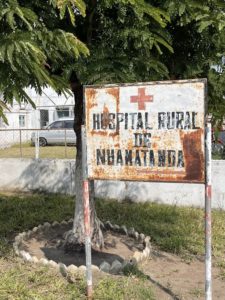
During the three-day meeting, participants visited the new PEN-Plus clinic and training center in Nhamatanda, nearly 800 kilometers north of the capital city of Maputo. The trip provided the participants with the opportunity to meet firsthand those livning with severe NCDs as well as their caregivers.

The plight of the rural poor was underscored for participants when they met with a 14-year-old boy recently diagnosed with rheumatic heart disease. The boy had presented at the PEN-Plus clinic with severe breathing difficulty soon after the clinic opened in February. Upon listening to the boy’s chest, the cardiologists in the group—including the co-chairs of the NCDI Poverty Network, Drs. Gene Bukhman and Ana Mocumbi—immediately realized he had a heart murmur indicative of a serious condition.

At the time of the group’s visit, arrangements were being made for the boy to undergo additional testing and mitral valve repair surgery in Maputo. The matter was complicated, however, by the 900-kilometer distance from the family’s home to the capital city.

On the nearly two-hour drive from Nhamatanda back to the airport, Advisory Group members peppered Dr. Mocumbi with questions about the boy’s future.

“Welcome to Ana’s World, where you have to solve one problem before you can confront another,” she responded. “He doesn’t have the identification papers required to take a flight in Mozambique. So we need to make him exist on paper before he can even travel for his surgery.”

Compounding the boy’s situation is his family’s extreme poverty. The boy lives with his widowed mother and three siblings 20 kilometers from Nhamatanda in a home with neither electricity nor plumbing. The family’s only means of support is his mother’s small-scale farming.

Fortunately, the PEN-Plus clinic provides the boy with additional social support, including money to travel to Nhamatanda for his monthly checkups and a cell phone to enable follow-up calls with his care provider. After his heart operation, the clinic will continue to provide him with the anticoagulation medicine he will need to take for the rest of his life.

“The Nhamatanda PEN-Plus clinic just opened in February,” said Dr. Mocumbi, “and it’s already saving lives.”

Unfortunately, the difficulties the boy’s family faces are familiar to many people living with severe NCDs in rural Mozambique and other low-income areas where PEN-Plus clinics provide health services.

Those difficulties were exactly why representatives from the organizations that compose the High-Level Advisory Group—including the Helmsley Charitable Trust, JDRF International, UNICEF, the World Health Organization Regional Office for Africa, the American Heart Association, the Foundation of Cardiovascular Care in Africa, and the World Diabetes Foundation—had gathered in Mozambique.

In addition to their Nhamatanda visit, members of the group met in Maputo—where the Network’s co-secretariat at Universidade Eduardo Mondlane hosted the event—to review an initial draft of the PEN-Plus Partnership’s strategic plan. The final plan will both clarify the role of PEN-Plus in the global NCD landscape and outline expansion strategies for 2025–2028.

The need to improve the quality and reach of PEN-Plus services was a clear theme throughout the meeting.

“Seeing firsthand the challenges of those living with severe NCDs in extreme poverty underscored for everyone the urgent need to support health systems in low-resource settings, especially in rural areas where health inequities are so stark,” said Dr. Bukhman.

Dr. Mocumbi agreed.

“Integrated care delivery strategies like PEN-Plus make it possible not just to improve access to health care in underserved communities,” she said, “but also to save lives.”

Dr. Ana Mocumbi, co-chair of the NCDI Poverty Network, and UNICEF Health Specialist Raoul Bermejo talk with a young patient at the PEN-Plus clinic in Nhamatanda, Mozambique.
Members of the PEN-Plus Partnership who attended the High-Level Advisory Group meeting in Mozambique included, standing from left, Dr. Jose (Jojo) Ferrer, director of international health for the American Heart Association; David Panzirer, trustee of the Helmsley Charitable Trust; Grant Beard, board chair of JDRF International; Dr. Ana Mocumbi, co-chair of the NCDI Poverty Network; Aaron Kowalski, chief executive officer of JDRF International; Dr. Jorge Sixpence, PEN-Plus regional technical advisor for the Southern Africa Regional Hub of the NCDI Poverty Network; and Sydney Yovic, chief strategy officer for JDRF International. Pictured kneeling from left are Dr. Gene Bukhman, co-chair of the NCDI Poverty Network; Sri Vasireddy, co-founder and chief executive officer of the REAN Foundation; Wendy Bennett, supporter of the NCDI Poverty Network (foreground); and Dr. Emily Wroe, director of programs for the NCDI Poverty Network.

New Lancet Commentary Highlights Feasibility of Decentralizing Care for Severe, Chronic NCDs

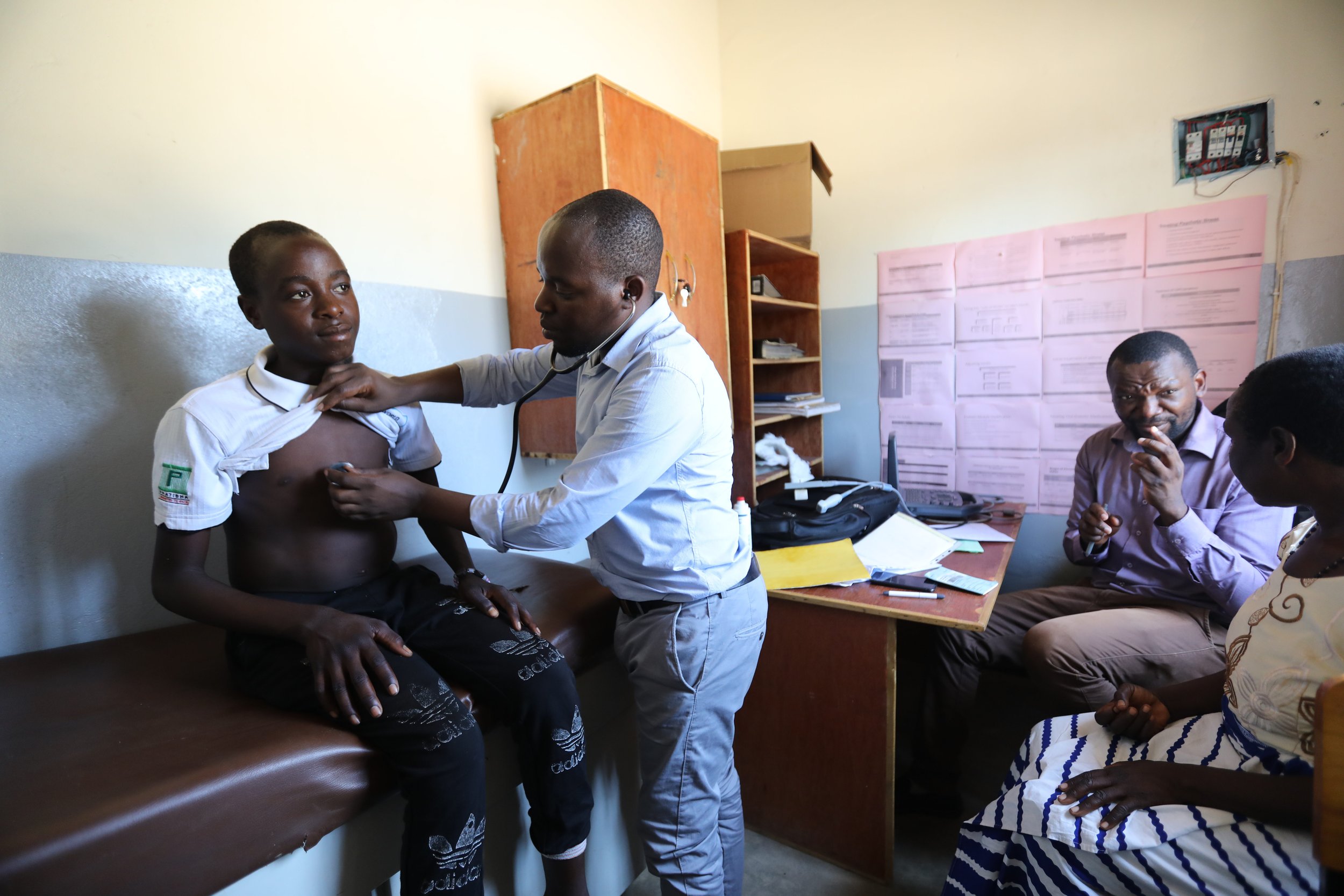
At the PEN-Plus clinic in Lisungwi, Malawi, Kerefasi Wiliyamu, a 14-year-old living with type 1 diabetes, is examined by clinical officer Kenwood Kumwenda, while his mother, Sofiya Simoni, speaks with clinical officer Medson Boti. Photo: Karin Schermbrucker/Slingshot Media for PIH.


A commentary published in The Lancet Diabetes and Endocrinology in early May showcases the power of PEN-Plus and the PEN-Plus Partnership to bring lifesaving care for severe, chronic NCDs to first-level hospitals in poor, rural areas of lower-income countries.

The article—coauthored by leaders from WHO/AFRO, UNICEF, and the NCDI Poverty Network—describes how the PEN-Plus strategy has grown exponentially since it was first developed at three rural district hospitals in Rwanda in the late 2000s. In the 2010s, PEN-Plus was scaled up nationally in Rwanda and implemented successfully in three other lower-income countries. It has since been initiated in 10 more lower-income countries in Africa and South Asia and adopted as a regional strategy by unanimous vote of the 47 member states of WHO’s African Region in 2022, with ambitious targets to achieve high levels of coverage by 2030.

PEN-Plus programs give nurses and other mid-level providers at district hospitals the specialized training, medicines, and equipment they need to diagnose and treat severe NCDs like type 1 diabetes, sickle cell disease, and rheumatic and congenital heart disease. Those four conditions alone are responsible for around 150,000 preventable deaths every year among the world’s poorest people, including almost 100,000 among children, adolescents, and young adults.

The PEN-Plus Partnership includes leading organizations focused on childhood heart disease, type 1 diabetes, and sickle cell disease working together with the World Health Organization and UNICEF to mobilize the technical and financial resources required to rapidly scale up implementation of PEN-Plus and dramatically increase the number of the poorest children and young adults on high-quality treatment for these three conditions and other severe chronic NCDs by the end of the decade.

“A lack of resources remains the major challenge for an equitable response to the intersection of extreme poverty and severe chronic NCDs,” the authors of the commentary conclude. “As demonstrated by the Lancet NCDI Poverty Commission, the poorest countries—many of which are victims of historic injustice—cannot afford essential health services on their own.

“By aligning the passion of people affected directly by conditions such type 1 diabetes, congenital and rheumatic heart disease, and sickle cell disease, the PEN-Plus Partnership hopes to mobilize the external resources needed to end one of the great and enduring tragedies in the world today.”

What Women Want: Study in Rwanda Highlights Women’s Priority Health Concerns


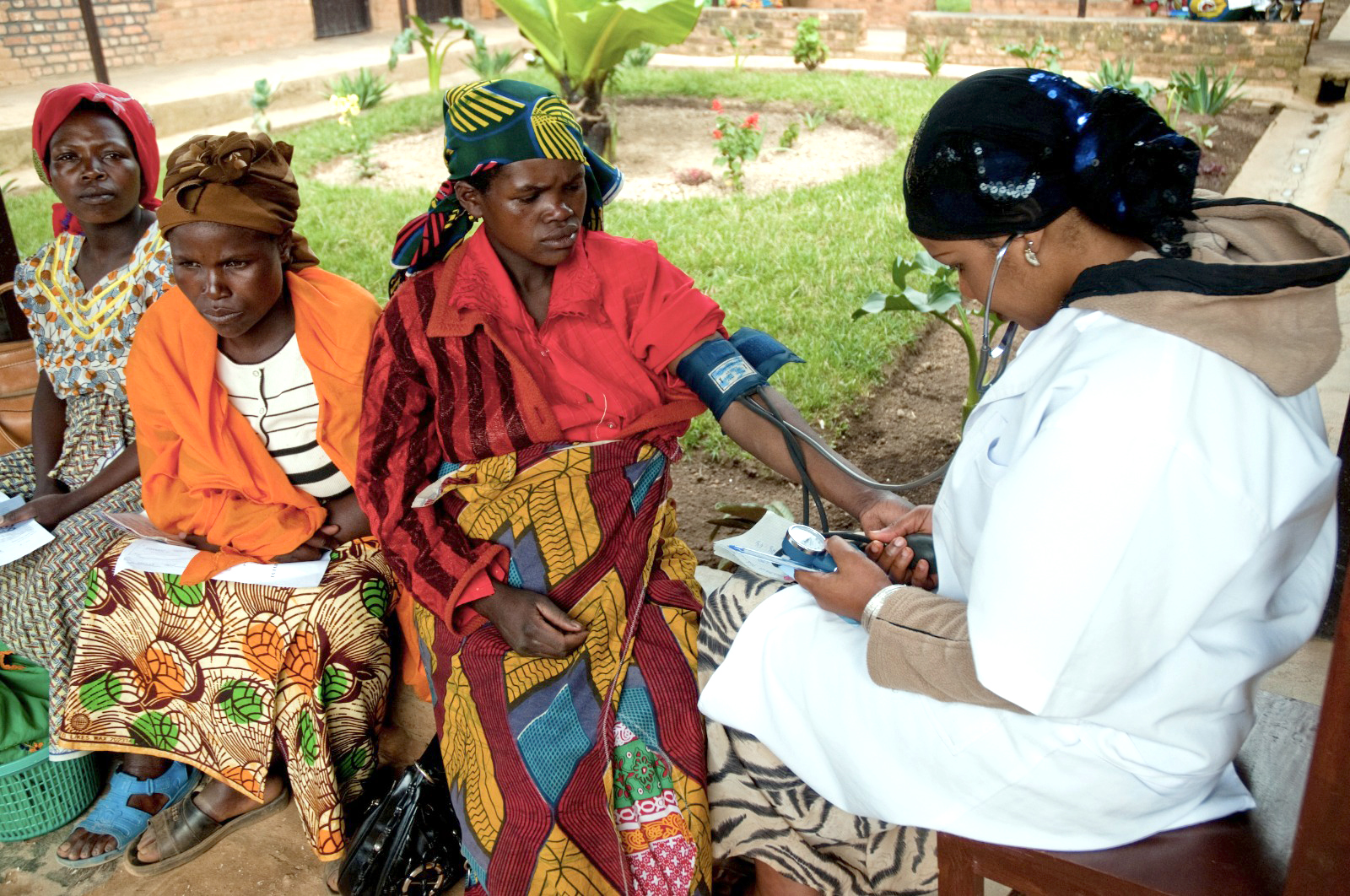
Woman in Rwanda gets her blood pressure checked


Access to care for back pain, food insecurity, and abnormal vaginal bleeding. Overcoming the barriers to care posed by the high costs of transportation to clinic and missing work. Care delivered in a way that respects both dignity and privacy. Those are some of the top health care priorities identified by women in rural Rwanda in a study published recently in the International Journal of Gynecology and Obstetrics.

The mixed-methods study was conducted in two phases by researchers from the Center for Integration Science in Global Health Equity based at Brigham and Women’s Hospital (CIS) and Partners In Health Rwanda/Inshuti Mu Buzima (PIH/IMB).

In the first phase, the researchers conducted semi-structured interviews with 17 women of child-bearing age (20-49) in three rural districts. The interviews explored what the women considered to be their highest priority health concerns (not including childbirth and oncology), as well as how they felt about their previous experiences accessing health care and their preferences for healthcare delivery. In the second phase, 150 other women from the same catchment areas responded to a quantitative survey designed to explore healthcare priorities and preferences based on qualitative data from the interviews.

Priority health concerns identified

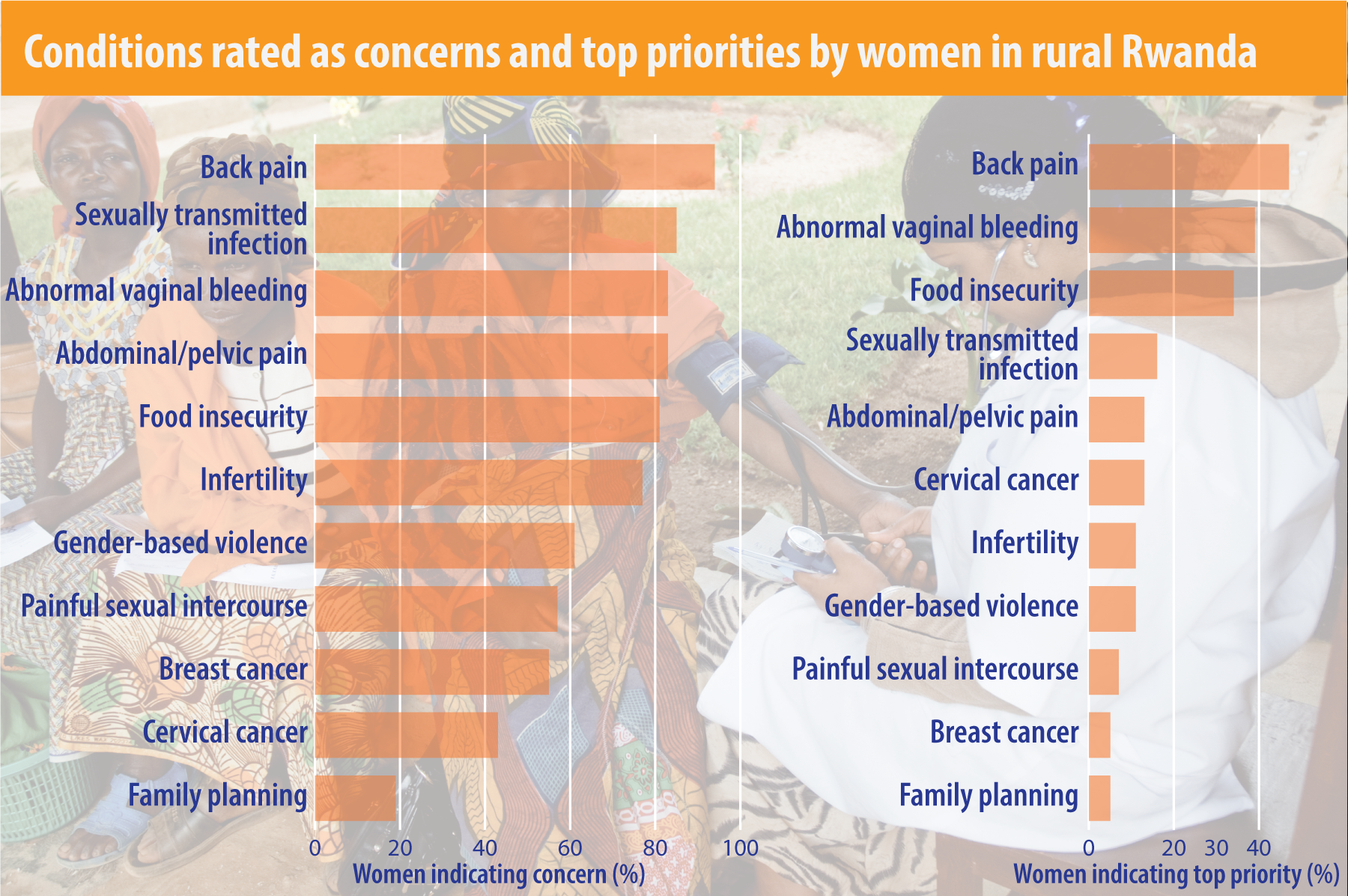
In the interview phase, women cited 11 communicable and noncommunicable health conditions as their top health priorities. More than half of the women who participated in the survey (55%-94%) then confirmed that nine of these 11 conditions – back pain, sexually transmitted infections, abnormal vaginal bleeding, abdominal/pelvic pain, food insecurity, infertility, gender-based violence, painful sexual intercourse, and breast cancer – ranked as major concerns among women in their communities.

When the women were asked to pick the two most important conditions of concern in their communities, back pain, vaginal bleeding, and food insecurity emerged as top priorities, selected by more than one-third of participants.

“We just went with really open-ended questions,” commented Alma Adler, CIS director of research and lead author of the study. “What are you concerned about? How do you feel about the care you have received and how it was delivered?”

Addressing barriers to care and dignified care delivery

Women generally reported positive experiences while accessing care. But they identified transportation costs and inability to miss work as important barriers to care that reduced accessibility. And they made it very clear that they believe care should be provided in ways that respect their privacy and dignity.

Participants affirmed unanimously that exams should be conducted in private rooms or behind curtains and indicated a distinct preference for having breast and internal exams conducted by female providers. Nearly all of the women (94%) felt comfortable with having breast and internal exams with female providers. But more than a third of participants (37 percent) indicated they do not feel comfortable having a man examine them internally – matching almost exactly the 36 percent who said they would like to bring a companion to an exam.

In addition, the women expressed a strong desire for more control over their care, including being fully informed about diagnoses, medications, and procedures and having a voice in healthcare decisions.

“If I get pregnant again, I will have to ask the doctors why they use the C-section surgery, because they didn’t give me any explanation.”

– Woman patient interviewed in rural Rwanda


Participants in the survey were all but unanimous (95-100%) in agreeing that it is important to have procedures described before they are done, to have diagnoses explained before they leave medical appointments, and to know what medications they are taking. More than two-thirds (69%) said they want to be able to choose what treatment is available.

“These findings are very important and real,” Adler said. “The research starts conversations that people should have had decades ago.”

Lessons for service delivery design

The findings will inform ongoing work at both the Center for Integration Science and PIH/IMB to improve quality and access to care for women living in poor, rural areas.

The Center for Integration Science is working with partners in the NCDI Poverty Network to develop models for a women’s health outpatient clinic at district hospitals to provide advanced gynecologic and breast health.

Similarly PIH/IMB is supporting the Rwanda Ministry of Health’s efforts to expand breast and cervical cancer screening as part of a broader panel of services intended to meet women’s expressed healthcare priorities and preferences.

“Findings from this research and continued engagement with women living in these poor, rural areas will help ensure that these integrated packages of interventions address women’s priority health concerns, help them overcome barriers that might limit access to that care, and deliver the care in ways that allow them to feel respected and comfortable,” Adler concluded.

Or as the conclusion of the article puts it: “The reported end-user health concerns, barriers to care and diminished control over their care unmet needs, point to a requirement to evolve our health systems around seeker-tailored needs and design urgent interventions that optimize access whilst promoting women’s dignified care.”

Q&A: Center for Integration Science Aims to Break the Impasse on Global Health Equity


Staff from the Center for Integration Science in global health equity gathered in November 2022 to celebrate the center’s launch during an inaugural symposium. Dr. Gene Bukhman is center front.
Staff from the Center for Integration Science in global health equity gathered in November 2022 to celebrate the center’s launch during an inaugural symposium. Gene Bukhman is center front. Photo by Stu Rosner.


“The Center for Integration Science is a group of clinicians, researchers, and administrators focused on moving health resources to the world’s poorest people. We’re doing this by finding new service delivery models that can expand health care and by mobilizing social movements to enact lasting change.”

Those were CIS Executive Director Gene Bukhman’s opening words in an interview featured in the March edition of Brigham Clinical & Research News, a monthly newsletter of Brigham and Women’s Hospital.

In the interview, Bukhman:

  • highlighted the Center’s mission and goals — “to accelerate global health equity by identifying integrated units of operational effectiveness and health care delivery, and then scaling implementation through collective action”;
  • identified gaps in global solidarity and financing as the principal obstacle to achieving them; and
  • described the new approach the Center is taking to break the impasse — “by forging new kinds of coalitions across multiple disease spaces and among people who treat, advocate for, or live with these diseases.”

“The best example of this,” Bukhman said, “is the PEN-Plus strategy, which stands for Package of Essential Noncommunicable Disease Interventions Plus. It’s an approach developed in the late 2000s at the Brigham with partners in Rwanda to simplify care for different types of severe, chronic noncommunicable diseases. We identified the most essential elements of treating these conditions, trained nurses and other mid-level providers to deliver this care, and forged connections among advocates working on disparate diseases. PEN-Plus has since expanded to 14 countries.”

When asked to sum up what distinguishes the Center from other initiatives and collaborations, Bukhman answered succinctly.

“One major difference is that we’re developing models of service delivery at the same time we’re studying the sociology of advocacy movements. Braiding these crucial strands of work together is unusual in medicine and global public health.”

Read the full interview in Brigham Clinical & Research News.

NCDI Poverty Network and WHO/AFRO Teams Meet to Plan for PEN-Plus Implementation

Momentum has continued since the 47 member states of the African Region of the World Health Organization adopted the regional PEN-Plus strategy to address severe noncommunicable diseases at first-level referral health facilities.

To build on that momentum, WHO/AFRO experts from the non-communicable diseases (NCDs) program were in Boston in late January to meet with leaders and staff from both the Boston and Maputo co-secretariats of the NCDI Poverty Network. The PEN-Plus Regional strategy is designed to increase the capacity of first-level health facilities in rural and peri-urban areas to diagnose and treat severe, chronic NCDs such as type 1 diabetes, sickle cell disease, and rheumatic heart disease using standardized and evidence based, protocols supported by mentorships of the service providers.

During the three days of meetings, the AFRO and Network teams reviewed the PEN-Plus implementation framework that the WHO/AFRO team developed and discussed how the Network can best support achieving the ambitious goal of the regional strategy – to have 70% of member states rolling out PEN-Plus services by 2030. They also covered approaches to country prioritization, operational research needs, and monitoring and reporting methods at national, regional, and global levels.

On the third day, representatives from the Helmsley Charitable Trust, UNICEF, and the American Heart Association joined the WHO/AFRO and NCDI Poverty Network teams. These organizations are key members of a high-level Advisory Group for the PEN-Plus Partnership that focuses on resource mobilization strategies to support PEN-Plus initiation and scale-up.

The meetings were hosted by the Center for Integration Science in Global Health Equity, which serves as the Network’s Boston co-secretariat, working in conjunction with the Maputo co-secretariat based at Universidade Eduardo Mondlane in Mozambique. The Center is a joint initiative of Brigham and Women’s Hospital, Harvard Medical School, and Partners In Health.

PEN-Plus on the Agenda at WAHO Regional Review Meeting

Following the adoption of the PEN-Plus strategy to address severe NCDs at first-level referral health facilities by the World Health Organization Regional Office for Africa (WHO/AFRO), the West African Health Organization (WAHO) hosted a three-day regional review meeting on the WHO Package of Essential NCD Interventions for Primary Health Care (WHO PEN) that included a presentation on PEN-Plus and the NCDI Poverty Network. Participants met in Cape Verde between 14-16 September 2022.

The event included a presentation from Dr. Prebo Barango of the World Health Organization Regional Office for Africa (WHO/AFRO) on PEN-Plusas an integrated care delivery strategy to provide chronic care for severe NCDs such as type 1 diabetes, sickle cell disease, and rheumatic heart disease in rural areas. Center for Integration Science Managing Director and NCDI Poverty Network West Africa Regional Lead Emmanuel Mensah followed Dr. Barango’s presentation by sharing the progress the Network has made in introducing, implementing, and scaling-up PEN-Plus in West Africa.

The meeting focused on achievements in implementing the WHO PEN to address the regional burden of NCDs as well as the challenges. The Africa Center for Disease Control (CDC) and WAHO presented a strategic plan for NCDIs and mental health for the region.