Center for Integration Science in Global Health Equity
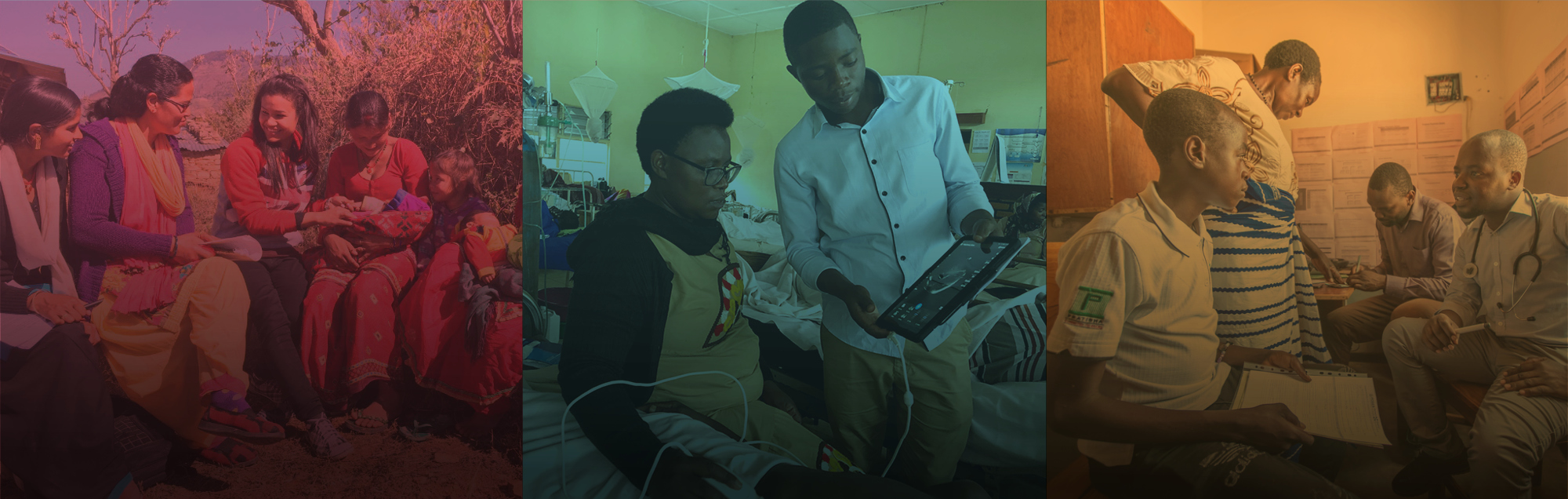

Based at Brigham and Women’s Hospital, the Center for Integration Science in Global Health Equity develops integrated health delivery models and nurtures integrated social movements to enable lifesaving care for people living with severe noncommunicable diseases in extreme poverty.
Principal Areas of Focus

Advancement of the Science of Integration
Providing leadership in integration science, a growing field at the intersection of health-system design, service delivery, and social medicine

Support of the NCDI Poverty Network
Serving as the administrative home of the Network, a global partnership that delivers lifesaving treatments to people living with severe noncommunicable diseases in extreme poverty, largely through the PEN-Plus care delivery model

Incubation of New Integration Models
Expanding the scientific basis for integrating care delivery models and social movements to create practicable solutions for achieving global health equity
Latest News

What could global health achieve if it stopped organizing itself along traditional lines? That question is at the heart of the Third Symposium on Integration Science, taking place October 27. Integration science is a growing field that draws on a range of disciplines to bridge fundamental gaps in traditional, disease-specific approaches to global health. The Center for Integration Science in Global Health Equity will host the free symposium in Boston and online. (Registration is required to attend, whether in person or virtually.) Led by its executive director, Dr. Gene Bukhman, the Center serves as the Boston co-secretariat of the NCDI Poverty Network.

As global health funding continues to evolve, more than 50 experts from dozens of countries are preparing for publication a new four-paper series that will offer integration science as a tool for unlocking significant gains in health equity worldwide. These collaborators represent a range of organizations and include academics, ministry officials, and people with lived experience from across sub-Saharan Africa and South Asia.

Several countries that have already implemented PEN-Plus are now launching national operational plans to detail how they will use the model to expand, integrate, and decentralize care for people living with noncommunicable diseases. A leader in Kenya’s Ministry of Health recently revealed critical steps in ensuring that country’s plan would be a success.